GmsToCups.com
Home cook stirring a pot on the stove in a bright kitchen

ACCURATE · SIMPLE · TRUSTED

Grams to Cups Converter by Ingredient

To convert grams to cups, divide the grams by the weight of one cup of your ingredient. One cup of all purpose flour weighs 120 grams, while one cup of granulated sugar weighs 198 grams. Pick your ingredient and the converter does the math.

By · Last updated October 12, 2026

Cup size
Flour method (for flour only)

Result

0.83 cups

about 3/4 cup plus 1 tbsp

100 g ÷ 120 g per cup (all purpose flour)

13 1/2 tbsp197 ml

100 g all purpose flour = about 3/4 cup plus 1 tbsp (0.83 cup) · 13 tbsp · 197 ml

Quick amounts

Quick answer

1 US cup holds 120 g of all purpose flour, 198 g of granulated sugar, 227 g of butter, 244 g of milk and 237 g of water. Dry ingredients follow the King Arthur Baking ingredient weight chart, milk follows USDA FoodData Central, and water follows the 236.6 ml US cup. When a recipe lists grams, a kitchen scale will always give you the most accurate result.

To convert grams to cups, divide the weight in grams by how much one cup of that ingredient weighs. That number is different for every ingredient, so the converter asks which one you are measuring and shows the answer in US cups, metric cups, tablespoons and milliliters.

Popular gram conversions

These are the amounts people look up most. Each row shows the cup measure for the three most common baking ingredients. Tap an amount to see it for 20 more ingredients.

GramsAll purpose flourGranulated sugarButter
50 g1/3 cup plus 1 tbsp1/4 cup3 1/2 tbsp
100 g3/4 cup plus 1 tbsp1/2 cup7 tbsp
125 g1 cup plus 1 tbsp1/2 cup plus 2 tbsp1/2 cup plus 1 tbsp
150 g1 1/4 cups3/4 cup2/3 cup
200 g1 2/3 cups1 cup3/4 cup plus 2 tbsp
250 g2 cups plus 1 tbsp1 1/4 cups1 cup plus 2 tbsp
300 g2 1/2 cups1 1/2 cups1 1/3 cups
400 g3 1/3 cups2 cups1 3/4 cups
500 g4 cups plus 3 tbsp2 1/2 cups2 cups plus 3 tbsp

Browse by ingredient

Find accurate conversions for your favorite ingredients.

See all ingredient conversions →

Rustic loaves of bread with a stalk of wheat on a floured table

Gram conversion chart for baking ingredients

This chart shows how many grams fit in common US cup measures. Dry ingredients are spooned into the cup and leveled, and brown sugar is packed firmly. Tap any ingredient name to open its full page with more amounts.

Ingredient1/4 cup1/3 cup1/2 cup1 cup
All purpose flour30 g40 g60 g120 g
Bread flour30 g40 g60 g120 g
Whole wheat flour28 g38 g57 g113 g
Almond flour24 g32 g48 g96 g
Granulated sugar50 g66 g99 g198 g
Brown sugar (packed)53 g71 g107 g213 g
Powdered sugar28 g38 g57 g113 g
Butter57 g76 g113 g227 g
White rice (uncooked)50 g66 g99 g198 g
Rolled oats22 g30 g45 g89 g
Cocoa powder21 g28 g42 g84 g
Chocolate chips43 g57 g85 g170 g
Peanut butter68 g90 g135 g270 g
Honey84 g112 g168 g336 g
Milk61 g81 g122 g244 g
Yogurt, sour cream57 g76 g113 g227 g
Vegetable oil50 g66 g99 g198 g
Water59 g79 g118 g237 g

Sources: King Arthur Baking ingredient weight chart for dry ingredients, butter, yogurt, sour cream, honey and oil; USDA FoodData Central for milk; water calculated at 1 g per ml. All weights are worked out from one master table and rounded to the nearest gram.

Cup weights by ingredient

A cup measures space, not weight. Light ingredients like flour fill a cup with less weight, and dense ones like honey fill it with much more. Here are the numbers for the ingredients people convert most often.

Flour

One cup of all purpose flour weighs 120 grams when you spoon it into the cup and level the top. King Arthur Baking found that a cup scooped straight from the bag can hold up to 160 grams, which is about a third more flour. That extra flour is a common cause of dry cakes and dense cookies. Bread flour also weighs 120 grams per cup, whole wheat flour weighs 113 grams, and almond flour weighs 96 grams. See every amount on the flour conversion page.

Sugar

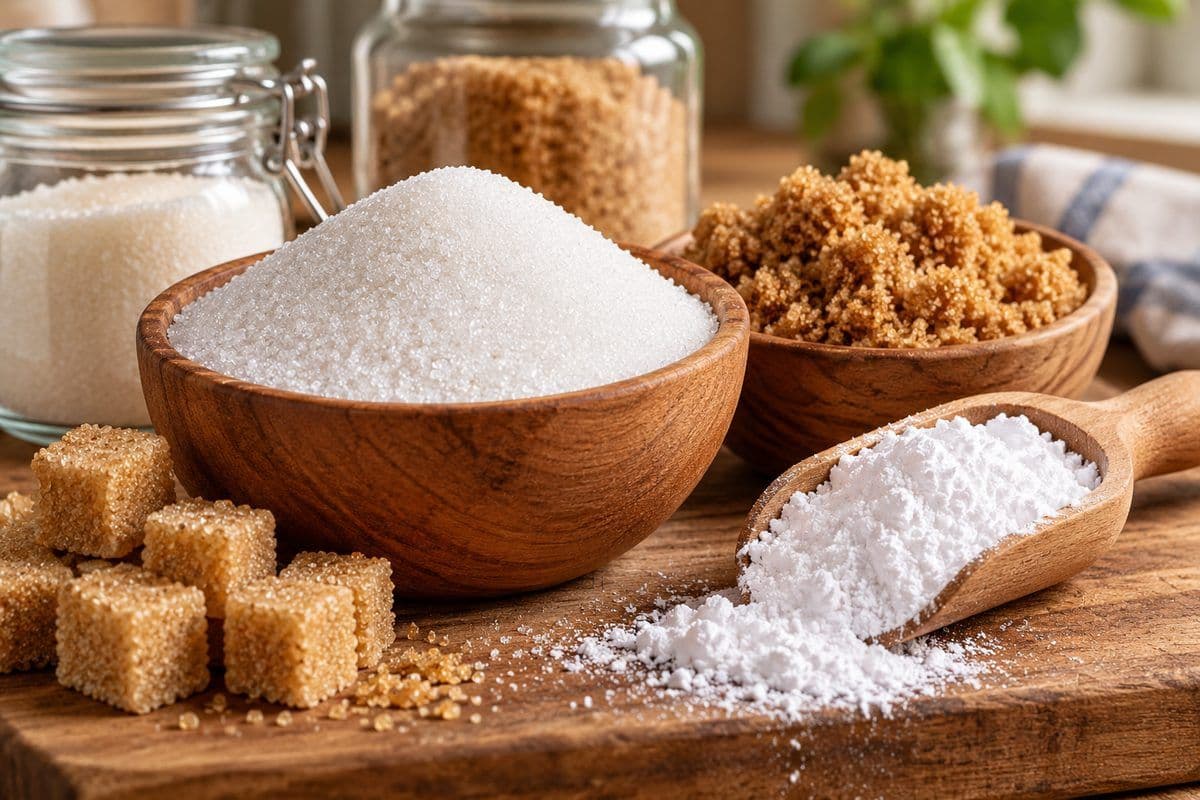
One cup of granulated sugar weighs 198 grams, so 100 grams is just over half a cup. Brown sugar is heavier at 213 grams per cup because you press it firmly into the cup. Powdered sugar is light and airy, so one unsifted cup weighs only 113 grams. Check which sugar your recipe uses before you convert. See every amount on the sugar conversion page.

Butter

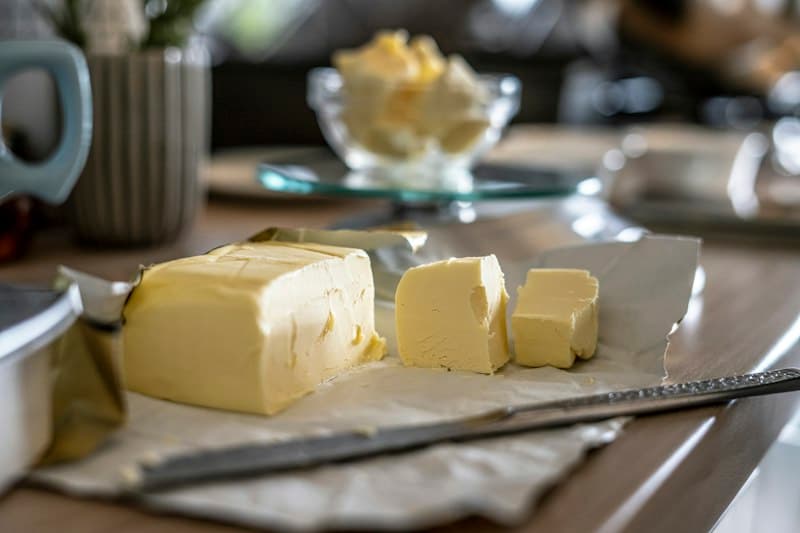
One cup of butter weighs 227 grams. In the US, butter is sold in sticks, and one stick equals 1/2 cup, 8 tablespoons or 113 grams (Cabot Creamery). A European recipe that asks for 250 grams of butter needs about 2 sticks plus 2 tablespoons. Most US butter wrappers print tablespoon marks, so small amounts are easy to cut. See every amount on the butter conversion page.

Rice and oats

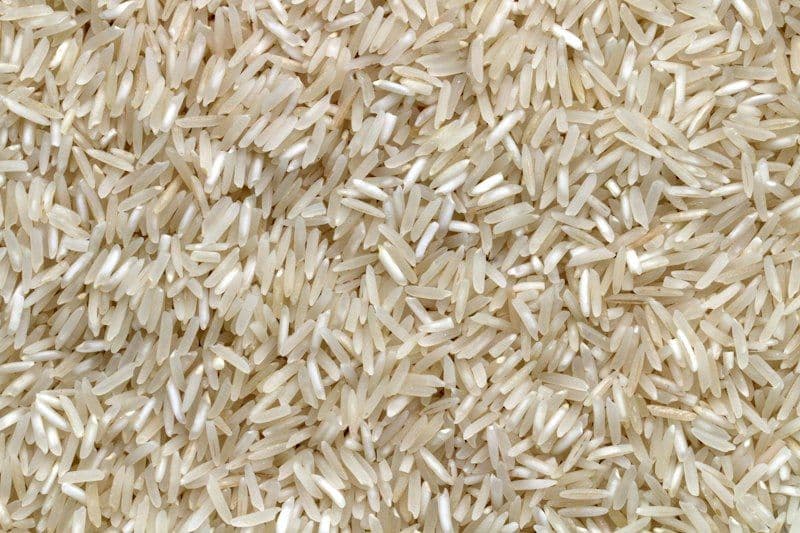
One cup of uncooked long grain white rice weighs 198 grams. Cooked rice weighs less per cup because the grains take in water and swell. Old fashioned rolled oats weigh only 89 grams per cup, so 100 grams of oats fills a little more than one cup. Measure both before cooking unless your recipe says otherwise. See every amount on the rice conversion page.

Water, milk and other liquids

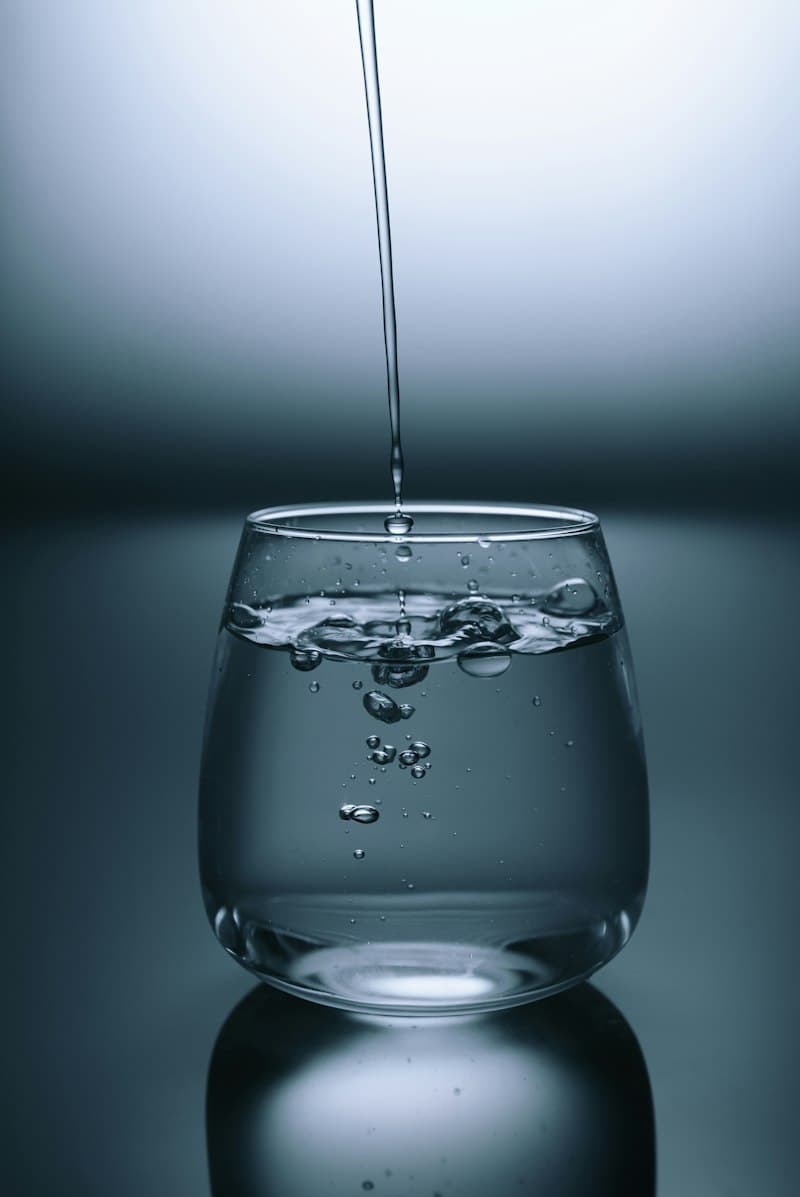
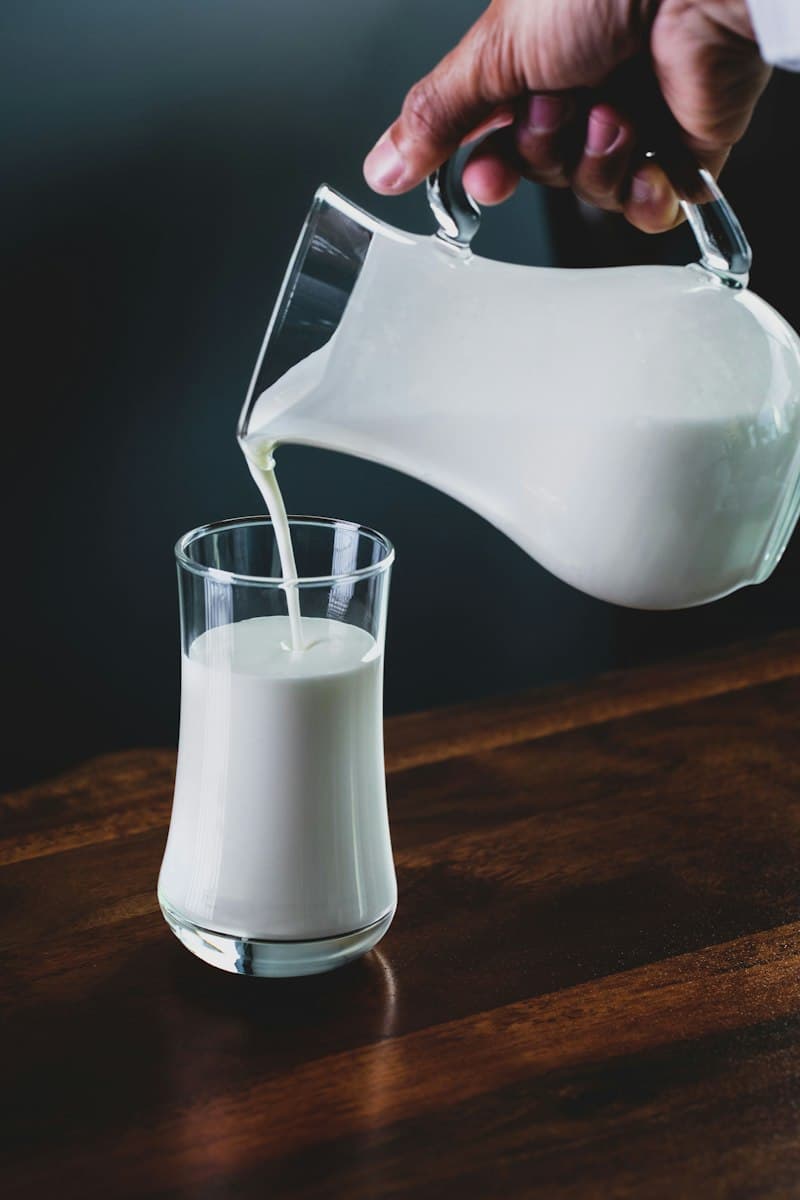
Water weighs 1 gram per milliliter, so one US cup of water weighs about 237 grams. Milk is a little heavier at about 244 grams per cup, according to USDA FoodData Central. Honey and maple syrup are much heavier, at 336 and 312 grams per cup. Vegetable oil is lighter than water, at 198 grams per cup. See every amount on the milk conversion page.

How to convert grams to cups

You only need one number: how many grams one cup of your ingredient weighs. Divide the grams in your recipe by that number, and the answer is your cup measure. The formula looks like this:

Cups = grams ÷ grams in one cup of the ingredient

  1. Find the weight of one cup of your ingredient in the chart above. For all purpose flour, it is 120 grams.
  2. Divide the grams in your recipe by that weight. For 250 grams of flour, 250 ÷ 120 = 2.08 cups.
  3. Turn the decimal into kitchen measures. One cup holds 16 tablespoons, so 0.08 cup is about 1 tablespoon, and your answer is 2 cups plus 1 tablespoon.

To go the other way, multiply the cups by the weight of one cup. For example, 1 1/2 cups of sugar is 1.5 × 198 = 297 grams. The cups to grams converter does this for you.

Why 100 grams fills a different cup every time

Every ingredient has its own density, which is how much it weighs for the space it takes up. Flour is full of air, so it is light for its size. Honey is thick and heavy, so a small amount weighs a lot. Here is what 100 grams looks like in cups:

100 grams ofCupsKitchen measure
Rolled oats1.121 cup plus 2 tbsp
All purpose flour0.833/4 cup plus 1 tbsp
Granulated sugar0.511/2 cup
Butter0.447 tbsp
Honey0.301/4 cup plus 1 tbsp

The same 100 grams of flour takes up almost three times the space of 100 grams of honey. A converter that uses one value for every ingredient will be wrong for most of them. Always choose the exact ingredient before you convert.

US and metric cup sizes

Not every cup is the same size, so check where your recipe comes from. Most American recipes use the US customary cup, while recipes from Australia, Canada and New Zealand use the larger metric cup. The gap is small for one cup but adds up in a big batch.

Cup typeSizeWhere you see it
US customary cup236.6 mlAmerican recipes and measuring cups
US legal cup240 mlNutrition Facts labels (FDA, 21 CFR 101.9)
Metric cup250 mlAustralia, Canada, New Zealand
Japanese cup200 mlJapanese recipes
Rice cooker cupabout 180 mlCups that come with rice cookers

Spoons differ too. A US tablespoon holds about 15 ml, but an Australian tablespoon holds 20 ml (Cup (unit), Wikipedia). If an Australian recipe lists tablespoons, use 4 US teaspoons for each one.

Tips for measuring accurately

Small habits make a big difference when you measure by volume. Use these four tips when you do not have a kitchen scale. Each one fixes a common mistake.

Fluff and spoon your flour. Stir the flour in its bag, spoon it into the cup until it overflows, and level the top with a knife. This is the method King Arthur Baking recommends.

Pack brown sugar firmly. Press it into the cup until it holds the cup’s shape when you tip it out.

Read liquids at eye level. Set a clear measuring cup on the counter and bend down to check the line.

Watch your salt. One tablespoon of table salt weighs 18 grams, but the same spoon of Diamond Crystal kosher salt weighs only 8 grams, according to King Arthur Baking. Use the salt your recipe names, or weigh it.

Frequently asked questions

How many grams is a cup?

It depends on what you are measuring. One US cup holds 120 grams of all purpose flour, 198 grams of granulated sugar and 237 grams of water. Use the cups to grams converter for any other ingredient.

How many grams of flour are in a cup?

One cup of all purpose flour weighs 120 grams when you spoon it in and level the top. If you scoop it straight from the bag, the same cup can hold up to 160 grams. Spooning keeps your baking close to what the recipe writer intended.

How much is 100 grams in cups?

100 grams is about 3/4 cup plus 1 tablespoon of all purpose flour. It is 1/2 cup of granulated sugar and 7 tablespoons of butter. The 100 grams page lists 20 more ingredients.

How much is 50 grams in cups?

50 grams is about 1/3 cup plus 1 tablespoon of all purpose flour. It is 1/4 cup of granulated sugar and about 3 1/2 tablespoons of butter. Small amounts like this are easier to measure with tablespoons.

How many cups is 200 grams?

200 grams is about 1 2/3 cups of all purpose flour. It is 1 cup of granulated sugar and 3/4 cup plus 2 tablespoons of butter. The 200 grams page lists more ingredients.

How many cups is 500 grams?

500 grams is about 4 cups plus 3 tablespoons of all purpose flour. It is 2 1/2 cups of granulated sugar and 2 cups plus 3 tablespoons of butter. For large amounts like this, a kitchen scale is faster and more accurate.

Is 250 grams the same as 1 cup?

Only for water in a metric cup. A 250 ml metric cup holds 250 grams of water, but a US cup holds about 237 grams. Dry ingredients are very different, since 250 grams is about 2 cups of flour or 1 1/4 cups of sugar.

Is this grams to cups converter accurate for every ingredient?

It is accurate when you choose the right ingredient and measure the way the chart assumes. Our values come from King Arthur Baking and USDA FoodData Central, with dry ingredients spooned and leveled. Cup measures always vary a little, so use a scale for recipes where precision matters, like bread and macarons.

More kitchen converters

About this converter

Every value on this page comes from one master data table, so the calculator, the chart and the answers always match. We review the numbers every quarter and show the date at the top of the page. Read how we calculate for the full method.

  • King Arthur Baking: Ingredient Weight Chart
  • USDA FoodData Central: Milk, whole, 3.25% milkfat (FDC 171265)
  • King Arthur Baking: How to measure flour the right way
  • U.S. Food and Drug Administration: Guidelines for Determining Metric Equivalents of Household Measures
  • Cabot Creamery: How many tablespoons in a stick of butter
  • Wikipedia: Cup (unit)