GmsToCups.com
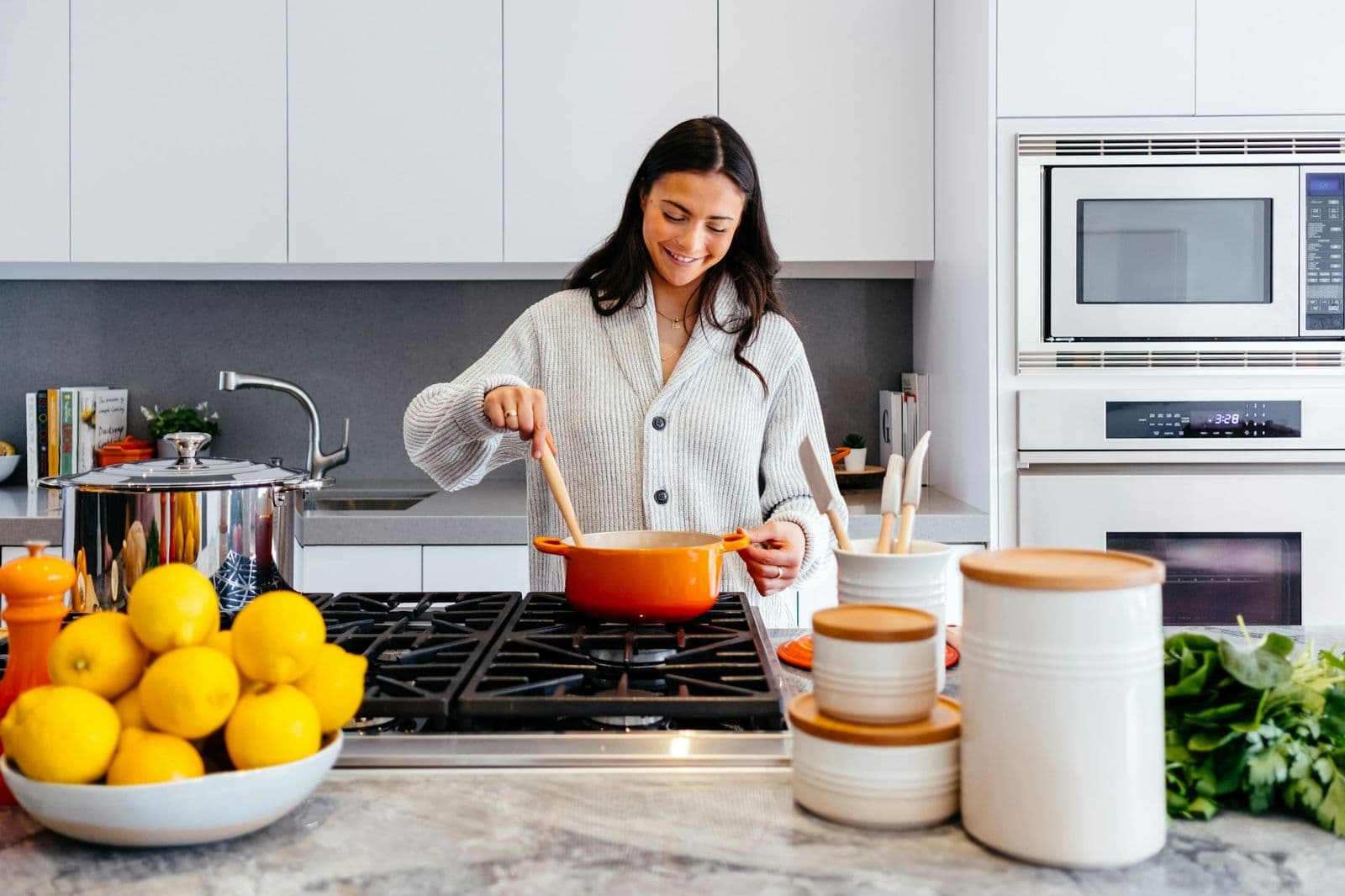
Home cook stirring a pot on the stove in a bright kitchen

About Gmstocups: Who We Are and How We Check Our Numbers

By · Last updated October 12, 2026

Gmstocups is a free kitchen conversion site for home bakers and cooks in the US. We turn grams into cups, cups into grams, and spoons, ounces and milliliters into each other. Each page answers one question fast, then shows the chart and the source behind the number.

Why We Built This Site

Most recipes from outside the US list ingredients in grams. Most US kitchens still use cups and spoons. A cup of flour and a cup of sugar do not weigh the same, so one number cannot convert every ingredient. We built this site so you can convert any amount with the right weight for the right ingredient.

Who Runs Gmstocups

Dmitry Chistov, Founder

Dmitry Chistov built Gmstocups and is in charge of its content, its calculators and the data behind every page. His work centers on one goal: making kitchen measurements easy to follow. Dmitry set one rule for the site from the start. A conversion must use the weight of the ingredient you are measuring, never one formula for everything. That is why each ingredient has its own page, its own chart and its own source.

He wants this site to be the page you open in the middle of a recipe and close with the right number a few seconds later. Fast answers, clear charts and real sources are how the site saves you time in the kitchen. You can connect with Dmitry on LinkedIn.

What You Can Do on This Site

Every tool on the site is free and works on your phone, so you can use it right at the counter. Here is what each part of the site does. Pick a tool below to get started.

ToolWhat it doesStart here
Grams to cups converterTurns any weight into cups for the ingredient you pickGrams to Cups
Cups to grams converterTurns cups into grams for baking by weightCups to Grams
Ingredient pagesCharts for 22 baking staples, from flour and sugar to sourdough starterAll Ingredients
Spoon and volume toolsTablespoons to cups, teaspoons to mL, cups to quarts and half of a measurementTablespoons to Cups
Weight toolsGrams to ounces, kilograms to pounds and grams to tablespoonsGrams to Ounces
Temperature toolsOven temperatures in °F and °C, plus oven to air fryer settingsOven Temperature Chart
Cooking abbreviationsWhat tbsp, tsp, c and oz mean in a recipeCooking Abbreviations

How We Calculate Conversions

The math behind every converter is simple. We divide the grams by the weight of one cup of that ingredient. For example, 100 grams of all purpose flour divided by 120 grams per cup gives 0.83 cups. That is about 3/4 cup plus 1 tablespoon.

The Cup and Spoon Sizes We Use

We use the US customary sizes set by the National Institute of Standards and Technology (NIST). You can switch to a metric cup in the converter if your recipe comes from Australia, Canada or New Zealand. All values below are rounded to one decimal place.

MeasureSize we use
US cup236.6 mL
Metric cup250 mL
US tablespoon14.8 mL
US teaspoon4.9 mL
US fluid ounce29.6 mL

How We Measure Flour

Flour is the ingredient that changes the most with how you fill the cup. Our flour numbers use the spoon and level method, where you spoon flour into the cup and sweep the top flat. Scooping straight from the bag packs the flour down, so the cup weighs more. Our converter has a setting for each method, so pick the one you use at home.

How We Round

We round grams to the nearest whole gram. For cups, we show the exact decimal and the nearest kitchen measure, such as 3/4 cup plus 1 tablespoon. That way you can measure with the cups and spoons you already own. For small amounts like salt or yeast, we show teaspoons as well.
Where Our Numbers Come From

We do not guess at conversions. Each ingredient weight on this site comes from a trusted, public source, and each page links to the sources it uses. Our main sources are listed below.

SourceWhat we use it for
King Arthur Baking Ingredient Weight ChartGrams per cup for flour, sugar, butter and most baking ingredients
USDA FoodData CentralFood weights for items such as milk and oils
NIST Special Publication 811Exact sizes of the US cup, tablespoon, teaspoon, ounce and pound
FDA household measure guidanceHow food labels round cups and spoons to milliliters
University cooperative extensionsCooking methods, swaps and food safety tips

When two trusted sources give different numbers, we show both and explain the gap. For example, our peanut butter page lists the King Arthur value and the USDA value side by side. You can then pick the number that fits your recipe.

How We Keep the Numbers Consistent

All of our pages and calculators use one master table of ingredient weights. When a value changes in the master table, it changes everywhere on the site at once. That way, the flour page, the converter and the homepage never give you two different answers.

Our Editorial Standards

We write in plain language so any home cook can follow along. Every page shows the date it was last updated and lists its sources at the bottom. These are the rules we follow on every page.

  • Accuracy first. We check every number against its source before a page goes live.
  • Clear sources. Each page links to where its numbers come from.
  • Regular reviews. We review our pages every quarter and update them when a source changes.
  • Honest limits. We tell you when a measure is an estimate, such as a pinch or a heaping spoon.
  • One question per page. Each page answers one main question, so you find your number fast.

Found a Mistake?

We want every number on this site to be right. If you spot an error or think a value should be checked, email us at gmstocups@gmail.com. Please tell us the page and the number you think is wrong. We read every message and fix confirmed errors as soon as we can.